12 Jun 2026
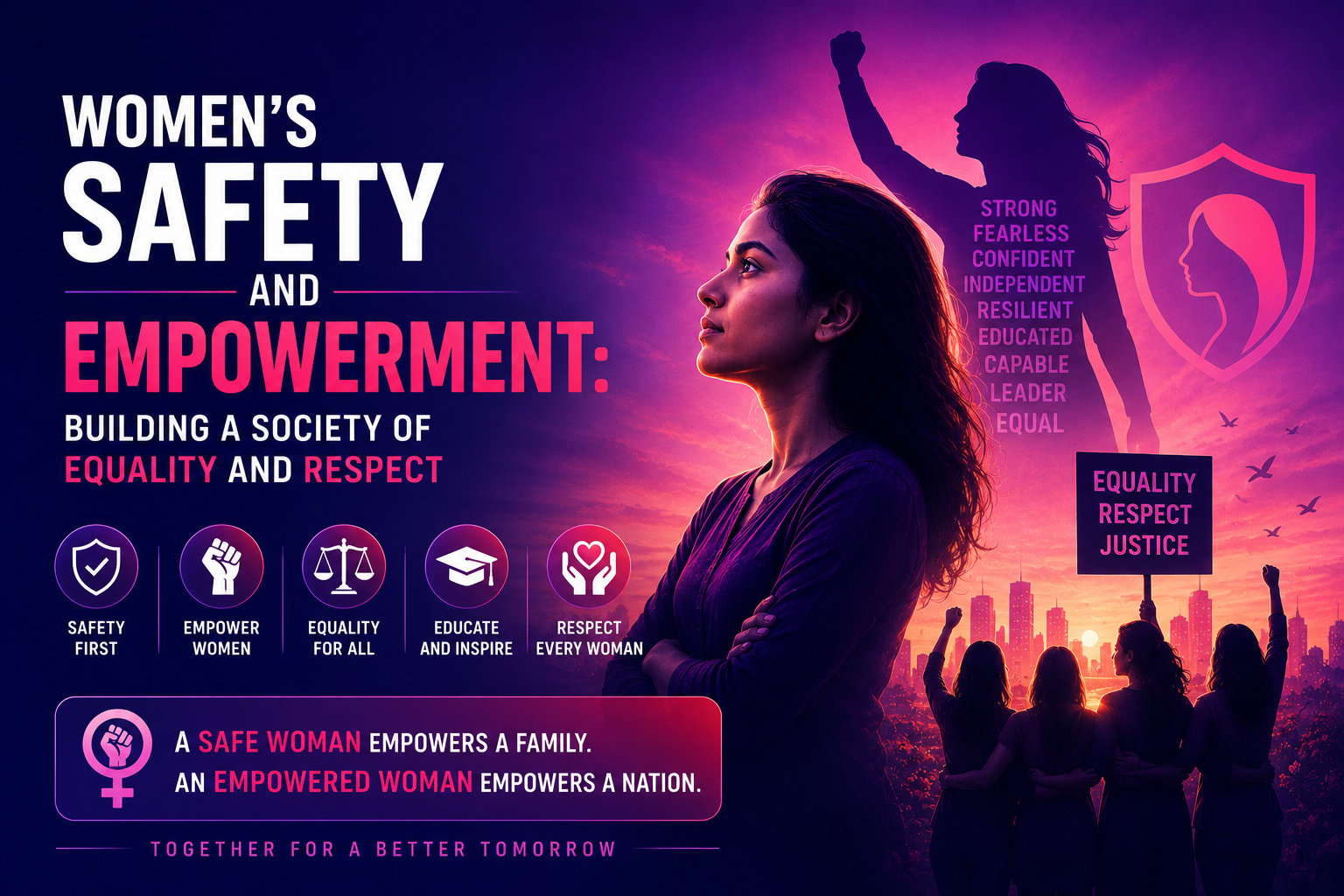
Women's Safety and Empowerment: Building a Society of Equality
Join us as a volunteer and help create meaningful change. Your small effort can make a big difference in someone's life.

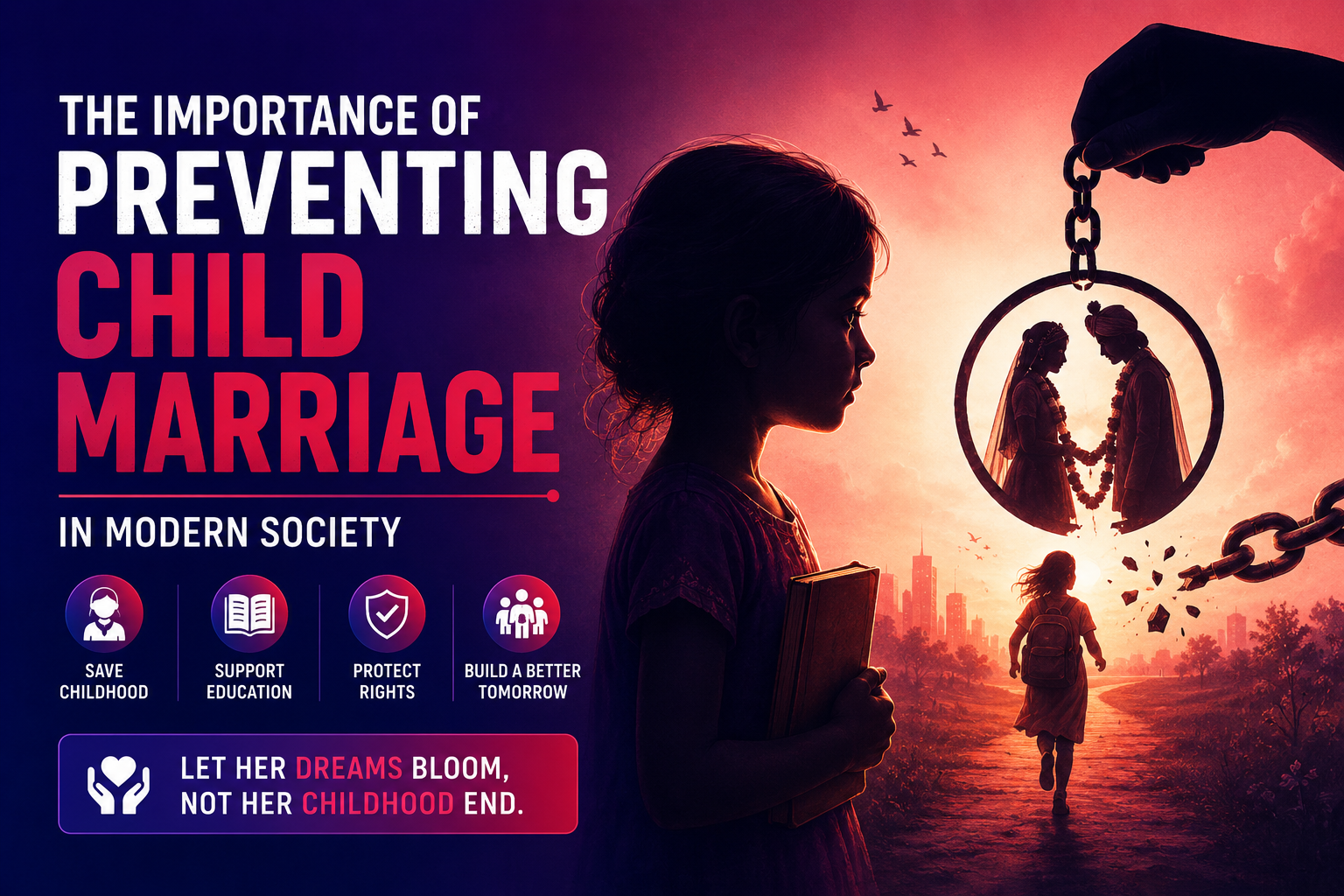
Children are the foundation of every society and deserve the opportunity to grow, learn, and build a successful future. Unfortunately, child marriage remains a significant social challenge in many communities around the world. Despite advancements in education, healthcare, and legal protections, thousands of children—especially girls—continue to be affected by early marriage, limiting their opportunities and exposing them to various social, economic, and health-related risks.
Preventing child marriage is not only a legal and social responsibility but also an essential step toward creating a safer, healthier, and more equitable society.
Child marriage refers to any formal or informal union where one or both individuals are below the legally recognized age for marriage. In many cases, children are unable to fully understand the responsibilities and consequences associated with marriage, making them vulnerable to lifelong challenges.
Child marriage often results from factors such as poverty, lack of education, social pressure, gender inequality, and traditional beliefs. While communities may view it as a solution to economic or social concerns, its long-term consequences can be devastating.
One of the most serious consequences of child marriage is the interruption of education. Children who marry at an early age are often forced to leave school, reducing their chances of gaining knowledge, skills, and career opportunities.
Education empowers young people to become independent, informed, and productive members of society. When a child's education is interrupted due to marriage, it can create a cycle of poverty and limited opportunities that may continue for generations.
Early marriage can have significant effects on physical and emotional well-being. Children who enter marriage at a young age may face increased stress, social isolation, and challenges in adapting to adult responsibilities.
Young individuals should be given the opportunity to develop emotionally, mentally, and socially before taking on major life commitments. Supporting healthy childhood development is essential for building confident and capable adults.
Childhood and adolescence are important stages of personal growth. During these years, young people develop critical thinking skills, self-confidence, career aspirations, and social relationships.
Child marriage often limits personal freedom and restricts opportunities for self-development. Preventing early marriage allows children to pursue education, explore their interests, and make informed decisions about their future.
Families and communities play a crucial role in preventing child marriage. Parents, teachers, community leaders, and social organizations can work together to promote education, raise awareness, and encourage positive social change.
Communities that prioritize education and child welfare are more likely to create environments where children can achieve their full potential without unnecessary barriers.
Key community actions include:
Many countries have established laws that prohibit child marriage and protect the rights of children. However, legal measures alone are not enough. Awareness and education are equally important in ensuring that communities understand the importance of protecting children from harmful practices.
Social awareness campaigns, educational workshops, and community outreach programs can help people recognize the long-term benefits of delaying marriage until adulthood.
Preventing child marriage contributes to stronger families, healthier communities, and sustainable social development. When children are allowed to complete their education and pursue their goals, they become empowered individuals capable of making meaningful contributions to society.
Investing in children's futures benefits not only individuals but entire communities and nations. Every child deserves the chance to grow up in a safe environment where their rights, dreams, and potential are protected.
Child marriage is more than a social issue—it is a challenge that affects education, development, equality, and opportunity. By promoting awareness, supporting education, and encouraging community participation, society can work together to ensure that every child enjoys a safe and fulfilling childhood.
Protecting children today means creating stronger communities and a brighter future for generations to come.